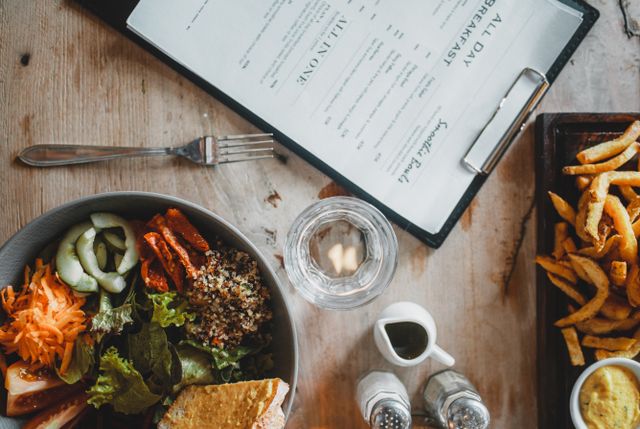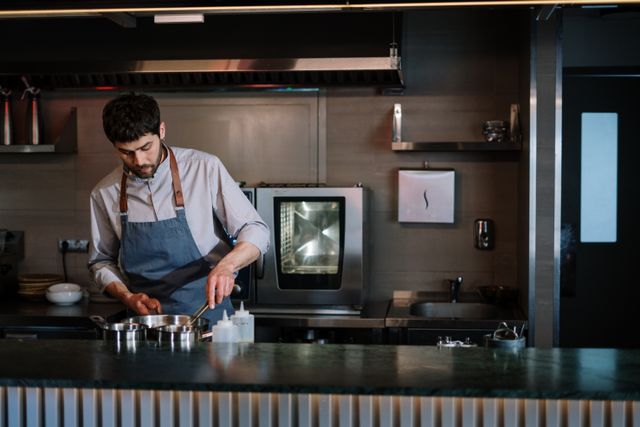
The Indian food industry has undergone a major transformation in recent years, with cloud kitchens emerging as one of the fastest-growing business models. Driven by the rise of online food delivery, changing consumer preferences, and lower operating costs, cloud kitchens are reshaping how people order and enjoy meals.
But does this trend pose a threat to traditional restaurants, or is it an opportunity for growth? The answer depends on how businesses adapt to the evolving market.
What Is a Cloud Kitchen?
A cloud kitchen, also known as a ghost kitchen, dark kitchen, or virtual kitchen, is a food preparation facility that serves customers exclusively through online orders and delivery. Unlike traditional restaurants, cloud kitchens do not have dine-in seating and focus solely on preparing food for takeaway and delivery.
This model enables entrepreneurs and restaurant brands to reach customers without investing heavily in prime real estate or front-of-house operations.
Why Cloud Kitchens Are Booming in India
Several factors have contributed to the rapid growth of cloud kitchens:
- Increasing demand for online food delivery
- Lower startup and operational costs
- Expansion of food delivery platforms
- Growing urban populations with busy lifestyles
- Flexibility to launch multiple brands from a single kitchen
- Easier scalability across cities
For many entrepreneurs, cloud kitchens provide a cost-effective way to enter the food business with reduced financial risk.
Opportunities Presented by Cloud Kitchens
1. Lower Initial Investment
Traditional restaurants require significant spending on interiors, seating, décor, and premium locations. Cloud kitchens eliminate many of these expenses, allowing businesses to focus on food quality and operations.
2. Faster Business Expansion
Because they require less physical infrastructure, cloud kitchens can expand more quickly into new neighborhoods or cities. Operators can even run multiple cuisine brands from the same facility, maximizing kitchen utilization.
3. Data-Driven Decision Making
Online ordering generates valuable customer data, including order history, popular dishes, and peak ordering times. Businesses can use these insights to optimize menus, pricing, and marketing campaigns.
4. Greater Menu Flexibility
Cloud kitchens can easily test new recipes, seasonal specials, or entirely new concepts without redesigning a dine-in experience. This agility helps businesses respond quickly to customer preferences.
5. Technology-Led Operations
Modern cloud kitchens rely on digital tools to manage orders, inventory, kitchen workflows, and reporting. Choosing a reliable restaurant POS solution can help automate these processes and improve operational efficiency. Businesses exploring technology-driven management can evaluate solutions like Estackly Restaurant POS at https://estackly.com/restaurant-pos.
Challenges and Potential Threats
1. Intense Competition
The low barrier to entry means new cloud kitchens launch frequently, making it challenging to stand out without strong branding, consistent quality, and effective marketing.
2. Dependence on Delivery Platforms
Many cloud kitchens rely heavily on third-party delivery apps for customer acquisition. High commission fees and changing platform policies can affect profitability.
3. Limited Direct Customer Interaction
Without a physical dining space, building customer relationships and brand loyalty can be more difficult. Businesses must rely on packaging, service quality, and digital engagement to create memorable experiences.
4. Maintaining Consistent Food Quality
Food must travel before reaching customers, making packaging and preparation standards critical. Even excellent recipes can disappoint if they don't hold up during delivery.
5. Managing Operations Efficiently
Handling orders, inventory, staff scheduling, and kitchen workflows manually can lead to delays and errors. Investing in reliable management systems helps maintain consistency as order volumes grow.
Are Cloud Kitchens a Threat to Traditional Restaurants?
Not necessarily.
Traditional restaurants offer experiences that cloud kitchens cannot fully replicate, including ambiance, personalized service, and social dining. Many customers still prefer eating out for celebrations, business meetings, and family gatherings.
Instead of viewing cloud kitchens as competitors, many restaurants are embracing hybrid models by:
- Launching delivery-only brands
- Operating cloud kitchens alongside dine-in locations
- Creating exclusive online menus
- Expanding into new markets without opening full-service restaurants
This approach allows restaurants to diversify revenue streams while maximizing kitchen capacity.
Tips for Success in the Cloud Kitchen Business
To build a sustainable cloud kitchen in India:
- Focus on high-quality food and consistency
- Optimize delivery-friendly packaging
- Keep menus concise and profitable
- Monitor inventory and food costs closely
- Use technology to streamline operations
- Analyze customer feedback regularly
- Build a strong brand identity across digital channels
The Future of Cloud Kitchens in India
As internet penetration, smartphone usage, and food delivery adoption continue to grow, cloud kitchens are expected to remain a significant part of India's food service ecosystem. However, long-term success will depend on operational excellence, efficient cost management, and delivering exceptional customer experiences.
Businesses that combine quality food with smart technology and strong branding are likely to thrive in this evolving landscape.